
Why Florida is the World’s #1 Flight Training Destination
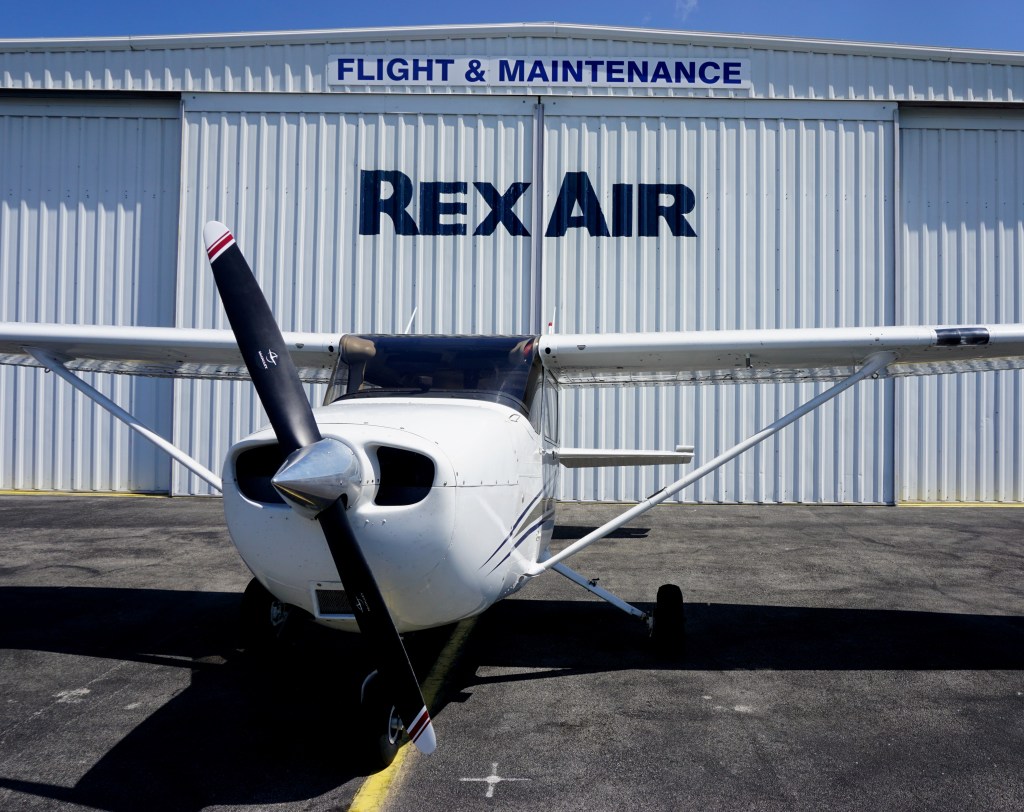
Did you know that approximately 20% of the world’s pilots trained in Florida? This statistic solidly cements the Sunshine State as the most popular destination on the planet for aspiring aviators.
Florida’s leadership in the aviation training industry isn’t random or temporary. Year after year, the state leads both the US and the global aviation sector in student pilot enrollment, advanced pilot ratings, and commercial pilot certifications.
If you are looking for the best place to get a private pilot license or a commercial pilot certificate, here is why Florida remains the go-to destination for professional pilot training.
World-Class Aviation Infrastructure and Airports
Florida boasts an expansive network of over 125 public-use airports, ensuring that flight students are never more than a few minutes from a runway. Training here exposes you to diverse operational environments:
- Major International Hubs: Experience radio communications near busy airspace like Miami International (MIA), Orlando International (MCO), and Tampa International (TPA).
- Regional & Municipal Airports: Master takeoffs and landings at high-traffic training hubs like Sebring Regional Airport (SEF), Naples Airport (APF), Daytona Beach, and Fort Lauderdale.
- Rural Airfields & Grass Strips: Perfect your soft-field landings on quiet, scenic runways scattered throughout the state.
Diverse Training Airspace
Florida’s unique geography—stretching over 350 nautical miles from Jacksonville to Key West, and 250 miles across the Panhandle—offers the perfect mix of training airspace.
As a student pilot, you can start your initial flight training in low-stress, uncontrolled airspace. As your skills progress, you can seamlessly transition into some of the busiest Class B and Class C airspaces in the world. This dual exposure builds unparalleled confidence and prepares you for real-world airline operations.
350+ Flyable Days: Ideal Flight Training Weather
Weather cancellations can delay your pilot license and increase training costs. Florida’s famous climate—characterized by year-round sunshine, light breezes, and mild winters—offers an estimated 350 flyable days per year. Choosing an accelerated flight training program in Florida means more time in the cockpit, fewer weather delays, and a faster track to your aviation career.
Unmatched Fleet of Training Aircraft
According to FAA registry data, there are over 20,000 aircraft based in Florida. From standard Cessna 172s and Piper Archers used for private pilot instrument training to advanced multi-engine aircraft and glass-cockpit trainers, Florida flight schools hold the world’s largest inventory of high-quality training aircraft.
A Premier Elite Aviation Talent Pool
When you learn to fly in Florida, you are surrounded by a thriving community of aviation professionals. The state produces a steady stream of newly certified Flight Instructors (CFIs) ready to teach, alongside a remarkable network of mentors. Florida’s rich aviation ecosystem includes:
- Active and retired commercial airline pilots
- Military aviation veterans from local bases
- Aerospace professionals from the Space Coast (Cape Canaveral)
Top-Rated FAA-Approved Flight Schools
From Part 141 accelerated academies to flexible Part 61 local flight schools, Florida offers the world’s best selection of aviation programs. Many of these institutions feature direct airline pilot pathway programs, partnering with major domestic and international airlines to fast-track your career from the cockpit of a trainer to a commercial jet.
Abundant Professional Pilot Job Opportunities
Building your flight hours is much easier in a state where aviation is a multi-billion dollar industry. With over 5,000 aviation businesses based at Florida airports employing more than 18,000 people, entry-level pilot jobs are abundant.
Many student pilots transition directly into a CFI role at their own flight school upon graduation. Whether your goal is to fly for a regional airline, a corporate flight department, or a global cargo carrier, starting your journey at a Florida flight school gives you a distinct competitive advantage.


