
Decoding the Sky: How Many Flight Hours Do You Need to Become a Pilot?
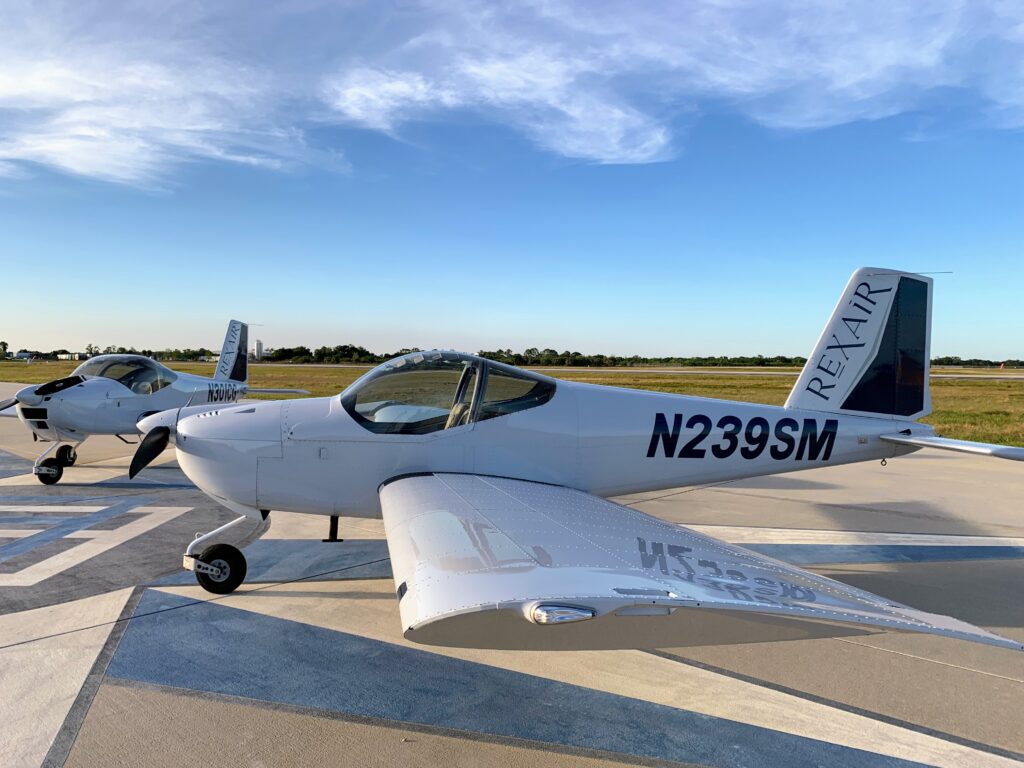
If you are researching flight schools in Naples or Sebring, FL or looking to start a career in aviation, you will quickly notice that pilots constantly talk about their “flying hours” or “flight time.”
In the aviation world, logbook hours are the ultimate currency. The number of hours you spend operating an aircraft directly dictates your career progression, your legal certifications, and your readiness to fly.
FAA Flight Time Requirements: From Private to Commercial Pilot
The path to earning your wings in the United States is meticulously regulated by the Federal Aviation Administration (FAA). Whether you are training right here in Florida or anywhere else across the USA, here is the official breakdown of the flight time required for each major milestone.
Private Pilot License (PPL) Hours
The Private Pilot License (PPL) is your first major milestone. It allows you to fly for personal enjoyment or business, though you cannot fly for compensation.
- FAA Minimum Requirement (Part 61): A minimum of 40 hours of total flight time.
- The Realistic Average: Most student pilots in the US graduate with between 60 and 70 hours of flight time.
- The PPL Hour Breakdown Includes:
- At least 20 hours of dual instruction (flying with a Certified Flight Instructor).
- At least 10 hours of solo flight time.
- Specific cross-country navigation and night-flying experience.
Commercial Pilot License (CPL) Hours
If your ultimate goal is to get paid to fly, a Commercial Pilot License (CPL) is your next step. This certification legally allows you to operate an aircraft for hire.
- FAA Minimum Requirement (Part 61): A minimum of 250 hours of total flight time.
- The CPL Hour Breakdown Includes:
- 100 hours in powered aircraft.
- 50 hours specifically in airplanes.
- 100 hours as Pilot in Command (PIC), with at least 50 of those hours dedicated to cross-country flight time.
- Dedicated instrument rating training and complex aircraft operations.
Airline Transport Pilot (ATP) Certificate
To fly for major commercial airlines, you will ultimately need to earn your Airline Transport Pilot (ATP) Certificate. This is the highest level of aircraft pilot certification in the United States.
- FAA Minimum Requirement: Typically requires a minimum of 1,500 hours of total flight time.
- Requirements Include: Extensive cross-country, night-flying, and instrument-time experience.
The True Value of Every Flight Hour
Every minute spent in the cockpit—whether you are practicing maneuvers, navigating a solo cross-country flight, or perfecting landings with your instructor—builds your proficiency.
These hours are far more than just numbers in a logbook; they represent real-world experience, critical decision-making skills, and the mastery of a complex machine.
Ready to start logging your hours? While meeting the minimum FAA flight time requirements is essential for your certificate, the true measure of a great pilot lies in the quality of their training and an unwavering commitment to safety.


