
Becoming a Commercial Pilot in Florida: Costs and Requirements
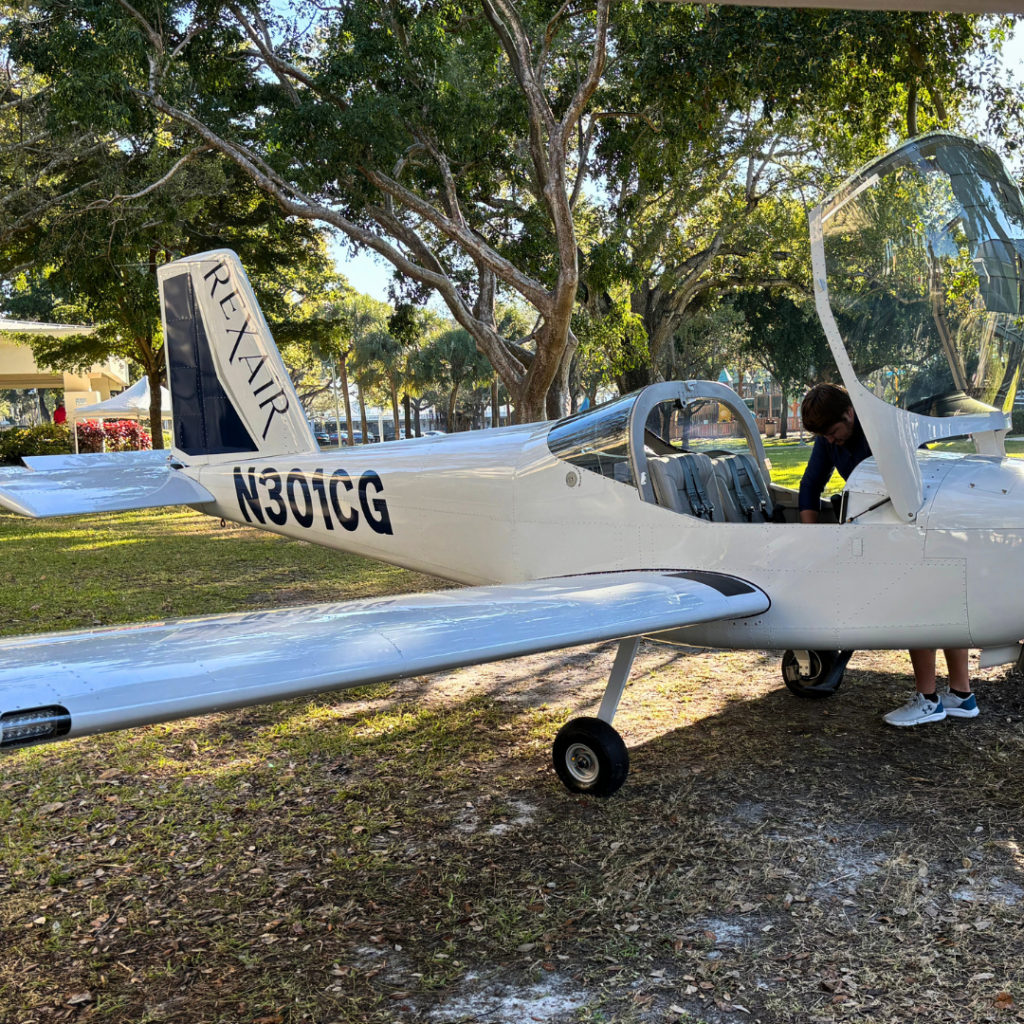
Florida is one of the premier destinations in the world for aviation training. With near-perfect flying weather year-round, expansive airspace, and a high concentration of flight academies, the Sunshine State offers a strong environment to earn your Commercial Pilot Certificate (CPL).
Transitioning into professional aviation requires a significant investment of time and capital. Here is a breakdown of the costs, variables, and FAA requirements for getting your commercial pilot license in Florida.
How Much Does a CPL Cost in Florida?
The total commercial pilot license cost in Florida varies based on the flight school, aircraft fleet, and your individual training frequency.
If you are starting from scratch with zero flight experience, a full “zero-to-hero” accelerated program typically ranges from $90,000 to $110,000+. However, if you already hold a Private Pilot License (PPL) and an Instrument Rating (IR), a standalone commercial add-on program can cost as low as $15,000 to $20,000.
Key Cost Factors in Flight Training
- Flight Hours: This is your largest expense. The FAA requires a minimum of 250 total flight hours for a CPL under Part 61. Your final total will depend heavily on local aircraft rental rates and Certified Flight Instructor (CFI) hourly fees.
- Ground School and Materials: Budget for structured ground school, one-on-one instructor briefings, online test prep, charts, aviation headsets, and textbooks.
- Aircraft Type: Training in standard, fuel-efficient single-engine aircraft (like a Cessna 172 or Piper Archer) is significantly more cost-effective than building hours in a complex or multi-engine aircraft.
- Flight School Structure (Part 141 vs. Part 61): Structured FAA Part 141 flight schools in Florida often feature syllabus-driven programs that can lower FAA minimum hour requirements, potentially saving you money. Part 61 schools offer more flexible, self-paced timelines.
- FAA Written and Practical Exam Fees: Expect to pay for the FAA knowledge test, plus $600 to $1,300 for the checkride (practical test) paid directly to a Designated Pilot Examiner (DPE).
- Aviation Medical Certificate: You will need an FAA medical exam from an Aviation Medical Examiner (AME). A First-Class Medical Certificate—required to fly for major airlines—typically costs between $75 and $200.
- Your Training Frequency: Consistency is key. Flying 3 to 4 times a week helps you retain knowledge, avoid costly review lessons, and graduate much faster.
Financial Aid Tip: Many premium Florida flight schools offer financing options, student loan partnerships, or accept military and veteran education benefits.
FAA Commercial Pilot Requirements
To earn your commercial wings in Florida, you must meet the strict safety and competency standards set by the Federal Aviation Administration (FAA) under Part 61 or Part 141 regulations.
General Eligibility Requirements
- Age: Be at least 18 years old.
- Language: Be able to read, speak, write, and understand the English language.
- Medical Fitness: Hold a valid FAA Second-Class Medical Certificate (First-Class is recommended if your goal is the airlines).
Aeronautical Experience and Flight Time Breakdown
You must log a minimum of 250 total flight hours, which must include:
- 100 hours of Pilot-in-Command (PIC) time.
- 50 hours of cross-country flight time.
- 10 hours of instrument training (flying solely by reference to instruments).
- 10 hours of training in a complex aircraft (or an aircraft equipped with TAA/Technically Advanced Aircraft capabilities).
- Specific night-flying operations and solo cross-country flights.
Testing and Certifications
- Ground Endorsement & Written Exam: Complete ground training and pass the FAA Commercial Pilot knowledge test with a score of 70% or higher.
- The Checkride: Pass a comprehensive oral and practical flight test with an FAA DPE to prove your mastery of commercial flight maneuvers and emergency procedures.
Why an Instrument Rating is Crucial
While an Instrument Rating (IR) is technically a separate certification, it is highly recommended for any commercial pilot. Without an IR, a commercial pilot cannot carry passengers for hire at night or on cross-country flights farther than 50 nautical miles. Most reputable Florida flight schools bundle the Instrument Rating directly into their commercial pilot tracks.
Launch Your Aviation Career in Florida
Florida’s booming aviation sector and predictable, sunny climate mean fewer flight cancellations due to winter weather, allowing you to fast-track your hours and enter the aviation industry ahead of schedule.


